Understanding the Importance of Control Arm Bushings in Vehicle Suspension
When it comes to vehicle suspension systems, many drivers may overlook the importance of certain components that play a crucial role in ensuring smooth rides and proper handling. One such component is the Control Arm Bushings. These small yet vital parts help manage the movement and stability of the suspension, ensuring that the vehicle’s control arms can pivot smoothly while maintaining a secure connection with the chassis.
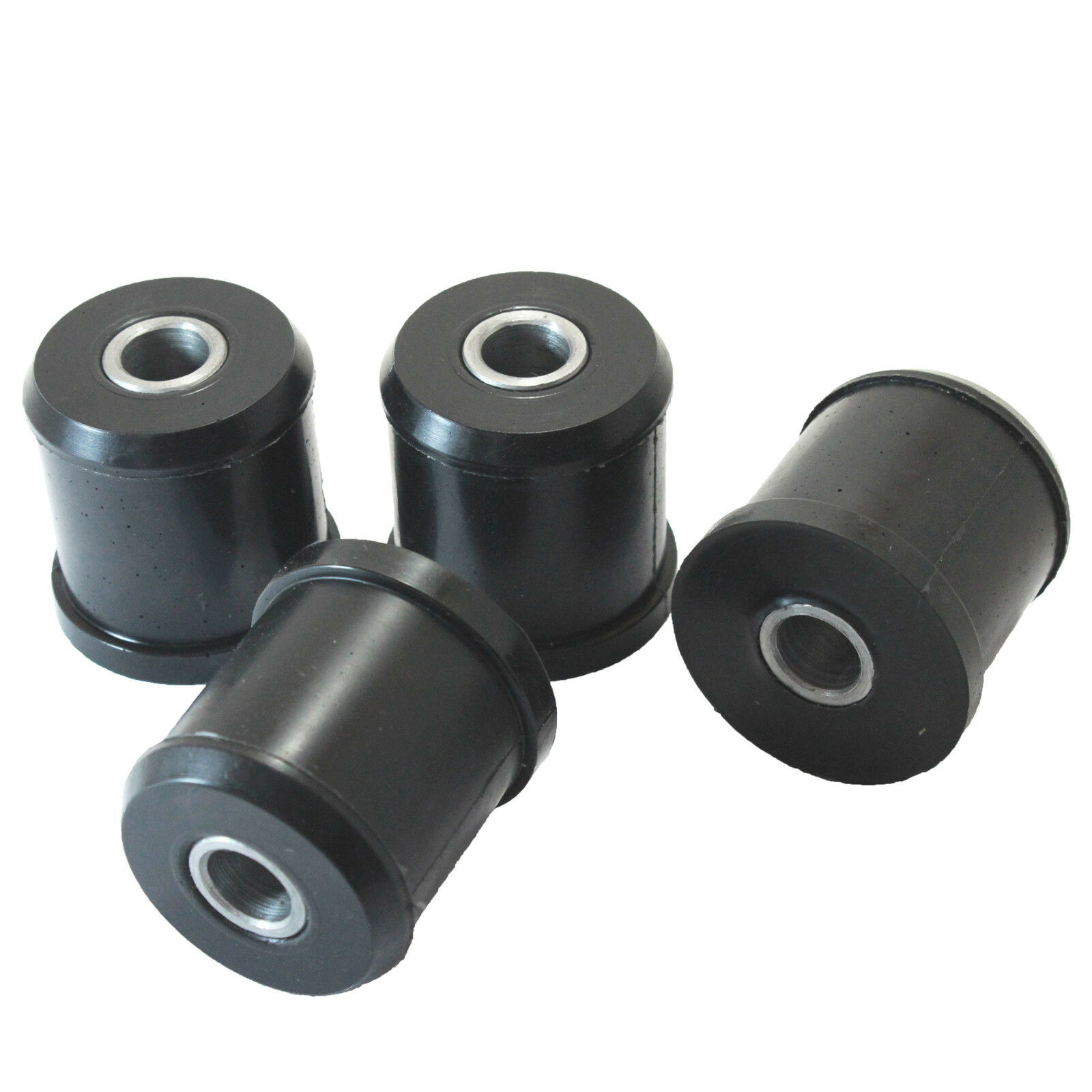
Control Arm Bushings are located at the pivot points where the control arms attach to the frame of the vehicle. They are typically made from rubber or polyurethane, designed to reduce the impact of friction and absorb vibrations. This not only contributes to a more comfortable ride but also protects other suspension parts from unnecessary wear and tear. Over time, these bushings can wear out due to constant exposure to road conditions, temperature fluctuations, and the natural stress of the vehicle’s movements. When they become damaged, they can cause issues such as increased road noise, vibrations, poor alignment, and even a rough or unstable ride.
The suspension system is built to handle a variety of stresses that come with driving, including cornering, braking, and accelerating. Without Control Arm Bushings in good condition, the suspension system can struggle to absorb these forces effectively, which can lead to problems like poor handling, uneven tire wear, and in some cases, the premature failure of other suspension components. Regular inspection and maintenance of these bushings are essential for the overall health of your vehicle's suspension.
Another essential part of a vehicle’s suspension system that works alongside Control Arm Bushings are the sway bar bushings. While control arm bushings help manage the movement of the suspension, sway bar bushings help to stabilize the vehicle by minimizing body roll during turns. Sway bars, or anti-roll bars, are responsible for reducing the leaning motion of a car when taking corners. The bushings that hold these sway bars in place absorb the forces during turns, providing added stability to the vehicle. If these sway bar bushings become worn or damaged, you might notice an increase in body roll, reduced handling performance, and even clunking noises when turning.
The relationship between Control Arm Bushings and sway bar bushings is key to maintaining the overall suspension balance. Both need to work harmoniously to provide a smooth, stable, and responsive driving experience. If either part is damaged, it can lead to compromised performance in handling, making it more difficult to control the vehicle, especially in challenging driving conditions.
Properly maintaining and replacing worn Control Arm Bushings and sway bar bushings is essential for the longevity and performance of your vehicle. Regular checks by a professional mechanic can help identify early signs of wear and prevent more severe damage down the line. If you start noticing unusual noises, poor handling, or a rough ride, it may be time to inspect your suspension system and consider replacing these bushings to restore your vehicle's driving dynamics.
In conclusion, while they may seem small, Control Arm Bushings and sway bar bushings play an incredibly important role in the safety, comfort, and handling of your vehicle. Keeping these parts in good condition ensures that your car remains responsive and reliable, offering a smooth and controlled driving experience for years to come.
For more info. :-
Comments
Post a Comment